
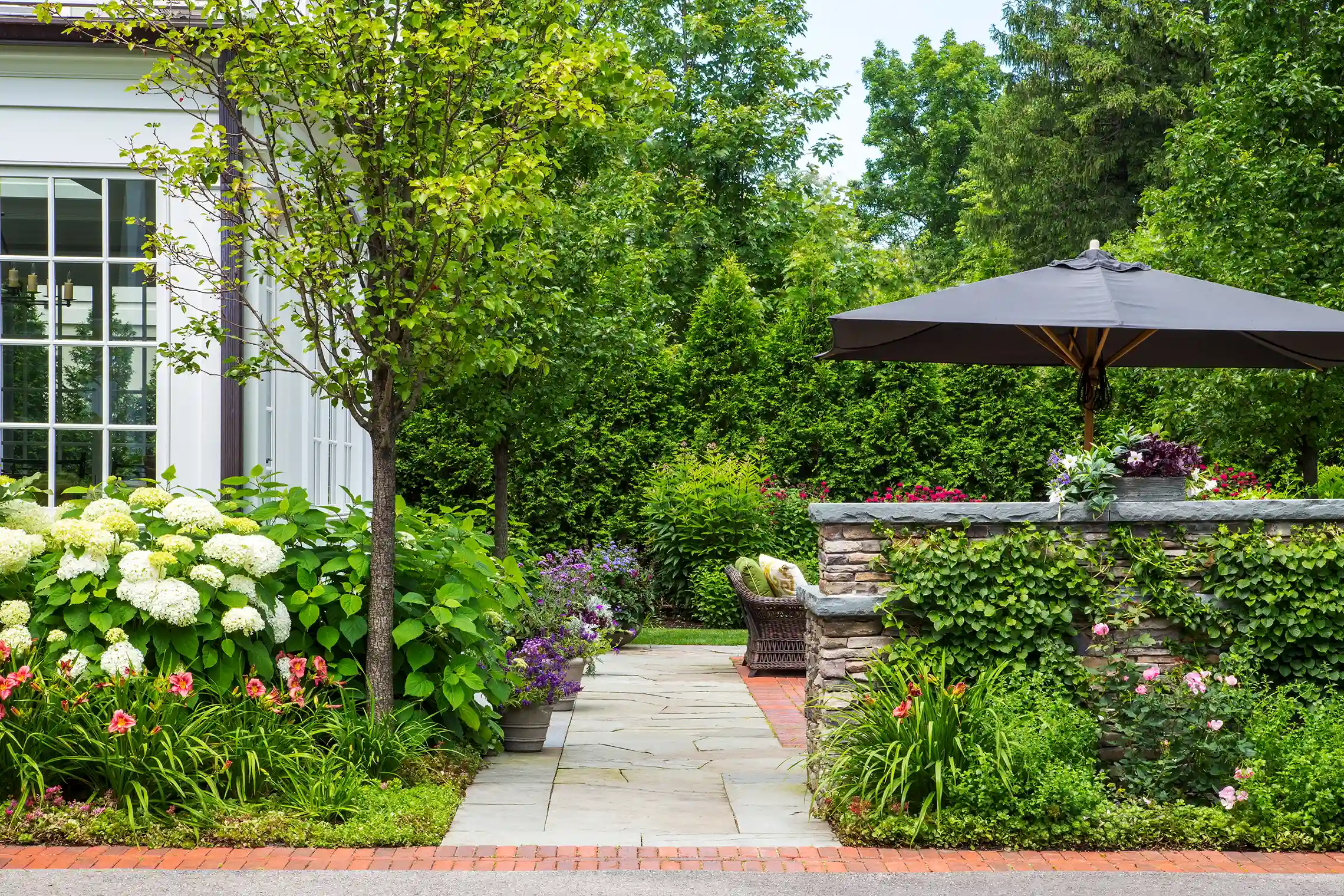
Introduction: The High Stakes of a Georgia Spring
In Atlanta, spring isn’t just a season — it’s a race against the calendar.
March and April represent the critical “green-up window,” when lawns wake up, roots re-engage, and plants prepare for the intense stress of summer. The actions taken during this short period directly determine how well your lawn and garden survive July’s 90-degree heat, humidity, and sporadic drought conditions.
This is the moment to shift from winter cleanup mode into growth mode. Proactive maintenance now reduces water usage later, improves plant health, and prevents costly mid-summer repairs.
As part of a comprehensive approach to commercial and residential landscaping in Atlanta, spring preparation sets the foundation for everything that follows — from turf health to drainage performance.
Solving the Red Clay Challenge: Drainage and Grading in Atlanta
Atlanta landscapes face a challenge many property owners underestimate: soil.
Why Atlanta’s Red Clay Requires Special Attention
Metro Atlanta’s soil is rich in iron oxide, giving it the signature red color — and a tendency to compact aggressively. When compacted, red clay:
- Prevents proper drainage
- Causes standing water after rain
- Starves roots of oxygen
- Encourages turf disease and root rot
Without intervention, even healthy lawns can appear stressed or patchy simply because water has nowhere to go.
French Drains: The Unsung Heroes of Georgia Landscapes
French drains in Georgia are one of the most effective long-term solutions for poor drainage.
A properly installed French drain:
- Collects excess surface and subsurface water
- Redirects it away from foundations and lawns
- Prevents root “drowning” after heavy rainfall
- Reduces erosion and muddy areas
For Atlanta property owners dealing with recurring soggy spots, French drains often solve issues that turf treatments alone never will.
Dry Creek Beds and Permeable Surfaces
Drainage solutions don’t have to look utilitarian.
Dry creek beds using river rock and boulders can guide water naturally through a yard while adding visual interest. Permeable hardscape surfaces, such as permeable pavers, also allow rainwater to infiltrate the soil instead of running off or pooling.
These strategies combine function with design — an increasingly popular approach in modern Atlanta landscapes. If you’re considering larger enhancements like patios, outdoor kitchens, or grading adjustments, our guide to spring landscape planning in Atlanta outlines how maintenance and design work together for long-term results.
Core Aeration: Letting Your Lawn Breathe
Healthy lawns require more than water and fertilizer — they need air.
The Timing Difference Between Grass Types
Core aeration in Atlanta depends on your grass type:
- Warm-season grasses (Zoysia, Bermuda): Aerate in spring as growth resumes
- Cool-season grasses (Fescue): Aerate in fall, not spring
Spring aeration is especially important for Zoysia grass maintenance, as it jump-starts root expansion before peak summer stress.
How Core Aeration Improves Lawn Health
Core aeration works by removing small plugs of soil from the lawn. This process:
- Reduces soil compaction
- Improves oxygen flow to roots
- Allows water and nutrients to penetrate deeper
- Encourages thicker, stronger turf growth
For lawns growing in compacted red clay, aeration is one of the most impactful services available.
For homeowners wanting a deeper understanding of fertilization schedules, watering practices, and long-term turf care, our complete guide to a lush and healthy lawn provides a comprehensive roadmap for building stronger grass year-round.
What Are the Best Native Plants for an Atlanta Spring Garden?
The best native plants for an Atlanta spring garden are those adapted to local soil, rainfall patterns, and pest pressures, allowing them to thrive with less maintenance once established.
Native Trees for Spring Interest
- Eastern Redbud for early pink blooms
- Flowering Dogwood for classic Georgia spring color
Native Shrubs That Thrive Locally
- Native Azaleas, which are looser and more natural than manicured hybrids
- Oakleaf Hydrangeas, prized for spring blooms and fall color
Native Perennials for Pollinator Health
- Black-Eyed Susans
- Purple Coneflower
Native plants typically require less supplemental watering, resist local pests more effectively, and integrate seamlessly into Atlanta ecosystems.
Planning for spring also means thinking ahead to cooler months. Selecting strategic winter ground cover ensures your landscape maintains structure and erosion control even when warm-season plants go dormant.
The “Spring 5” Maintenance Sprint
Spring lawn care in Atlanta is all about timing. These five tasks deliver the biggest payoff when completed early.
1. Pre-Emergent Weed Control
The window for stopping crabgrass is narrow. Pre-emergent applications must be timed before soil temperatures consistently reach 55 degrees — usually early spring in Atlanta.
Miss the window, and weed control becomes far more difficult.
2. Mulching and Pine Straw Installation
Fresh mulch helps:
- Regulate soil temperature
- Retain moisture
- Suppress weeds
- Improve bed appearance
Popular Atlanta options include clean pine straw and hardwood mulch, both of which perform well in Georgia landscapes.
3. Irrigation System Audit
Winter freezes can crack lines and clog sprinkler heads.
A spring irrigation audit ensures:
- Proper water coverage
- No leaks or pressure issues
- Efficient water use before summer demand increases
4. Strategic Pruning
Pruning ahead of and during spring should focus on removing the three Ds:
- Dead
- Damaged
- Diseased
This improves plant structure, encourages healthy growth, and reduces disease risk during humid months.
5. Soil Amending and pH Balancing
Georgia soils tend to be naturally acidic.
Winter or spring soil amendments — including lime applications when appropriate — help balance pH levels, improving nutrient uptake for turf and plants throughout the growing season.
Conclusion: Timing Is the Difference Maker
Spring lawn and garden care in Atlanta is not about doing more—it’s about doing the right things at the right time.
From managing red clay drainage and scheduling core aeration to selecting native plants and applying mulch strategically, early action sets the tone for the entire year. While many tasks can be handled DIY, professional equipment, experience, and timing often make the difference between a lawn that survives summer and one that thrives.
Consistent, professional landscape maintenance ensures that spring investments continue delivering results through summer and beyond.
Is Your Yard Ready for the Bloom?
Schedule a spring maintenance audit with Peachtree Landscape today and give your lawn and garden the head start they deserve. Complete the contact form below or call us today at (404) 431-1950.