
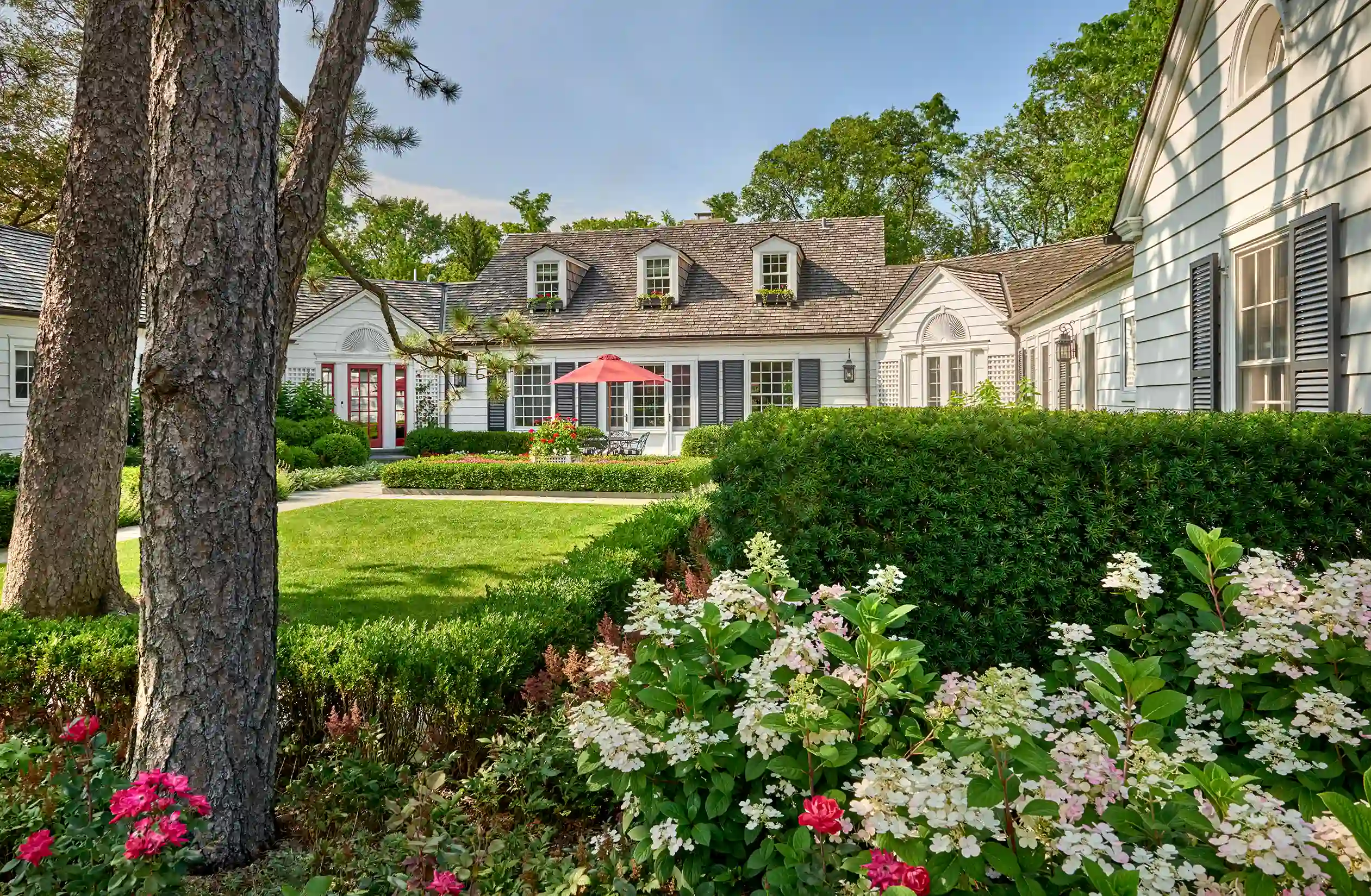
Spring is in full bloom, which means it’s the perfect time to prepare your landscape for months to come.
Spring is a fantastic season for property owners to refresh their landscape. It’s the time when nature awakens from its winter slumber, bringing about new life and growth. Whether you’re an experienced gardener or a beginner, these spring landscaping tips will help you create a beautiful and thriving outdoor space that will make your neighbors envious.
1. Clear Debris and Weeds
The first step in spring landscaping is clearing out debris and weeds. After the long winter months, dead leaves, twigs, and other unwanted junk might have accumulated in your yard. Removing the debris will not only make your yard look neater but also create enough space for your new plants to grow and thrive. Grab a rake or hire a professional landscaping company; it’s worth the effort.
2. Create a Focal Point
Now that you’ve cleared out the debris, it’s time to create a focal point. A focal point is something that catches the eye, adds visual interest, and creates a sense of cohesion in your landscape. It can be a garden statue, a water feature, a stunning flower bed, or even a unique tree. A focal point is an essential element in your landscape design as it draws attention and creates a lasting impression on visitors.
3. Plant Spring-Blooming Flowers
Spring is the perfect time to plant flowers that bloom in the season, such as tulips, daffodils, and hyacinths. These colorful and fragrant flowers will add a pop of color to your landscape and make your yard more inviting. When choosing spring-blooming flowers, consider their height, color, and blooming time to create a stunning visual display. And when people see your beautiful flowers, they’ll be amazed at the sight.
4. Add Trees and Shrubs
Trees and shrubs are an excellent addition to your landscape as they add visual interest, provide shade, privacy, and habitat for wildlife. Consider adding a mix of deciduous and evergreen trees, as well as shrubs of varying heights and shapes. When choosing trees and shrubs, consider their growth rate, mature size, and maintenance requirements. Adding trees and shrubs to your yard will create a beautiful canopy that will take your breath away.
5. Incorporate Edible Plants
Edible plants, such as herbs, vegetables, and fruit trees, can be incorporated into your landscape design. Edible plants add beauty and texture to your yard while providing you with fresh produce. Consider planting herbs in window boxes, creating a vegetable garden, or adding fruit trees to your property.
6. Mulch Your Landscape
Adding a layer of mulch around your plants helps retain moisture, suppress weeds, and protect the roots of your plants. Mulch also adds a finished look to your landscape that will make people stop and stare. When choosing mulch, consider its color, texture, and type. Organic mulch, such as shredded bark, wood chips, or leaves, is an excellent choice as it decomposes over time and enriches the soil.
7. Incorporate Hardscaping
Hardscaping, such as a patio, walkway, or retaining wall, can add structure and dimension to your landscape. Hardscaping provides a space for outdoor entertaining and relaxation. Consider adding a patio for outdoor dining or a walkway to connect different areas of your yard. When designing your hardscape, consider the size, shape, and material of the elements. Hardscaping adds value to your property and creates an amazing outdoor living space.
8. Regular Maintenance
Regular maintenance is essential to keeping your landscape looking its best throughout the season. Regular watering, pruning, and fertilizing will help your plants grow and thrive. Water your plants deeply once a week and more often during periods of drought. Prune dead or damaged branches to promote healthy growth, and fertilize your plants with a balanced fertilizer to encourage blooming. Regular maintenance will help you keep your yard looking beautiful and healthy.
9. Consider Sustainable Landscaping Practices
Finally, consider incorporating sustainable landscaping practices into your landscape design. Sustainable landscaping practices include using native plants, reducing water usage, and using natural pest control methods. Native plants are well adapted to the local climate and require less water and maintenance. Reducing water usage can be achieved by using drip irrigation, rain barrels, and installing low-flow irrigation systems. Natural pest control methods, such as using ladybugs or praying mantises, can help control pests without using harmful chemicals. Sustainable landscaping practices help conserve water, reduce waste, and promote a healthy ecosystem.
In conclusion
These spring landscaping tips will help you create a beautiful and thriving outdoor space. Remember to clear out debris and weeds, create a focal point, plant spring-blooming flowers, add trees and shrubs, incorporate edible plants, mulch your landscape, incorporate hardscaping, regular maintenance, and consider sustainable landscaping practices. By following these tips, you’ll have a stunning landscape to enjoy all season long.
Our Atlanta Landscaping Professionals Are Standing By
If you are looking for a professional landscaping company to help with your commercial property or home, we invite you to contact Peachtree Landscape. We offer FREE estimates to all of our prospective customers. No matter how big or small your project is, you can trust the Atlanta landscaping experts at Peachtree Landscape. Contact Peachtree Landscape by calling (404) 431-1950 or using our online contact form to request a FREE estimate.